Research Interests
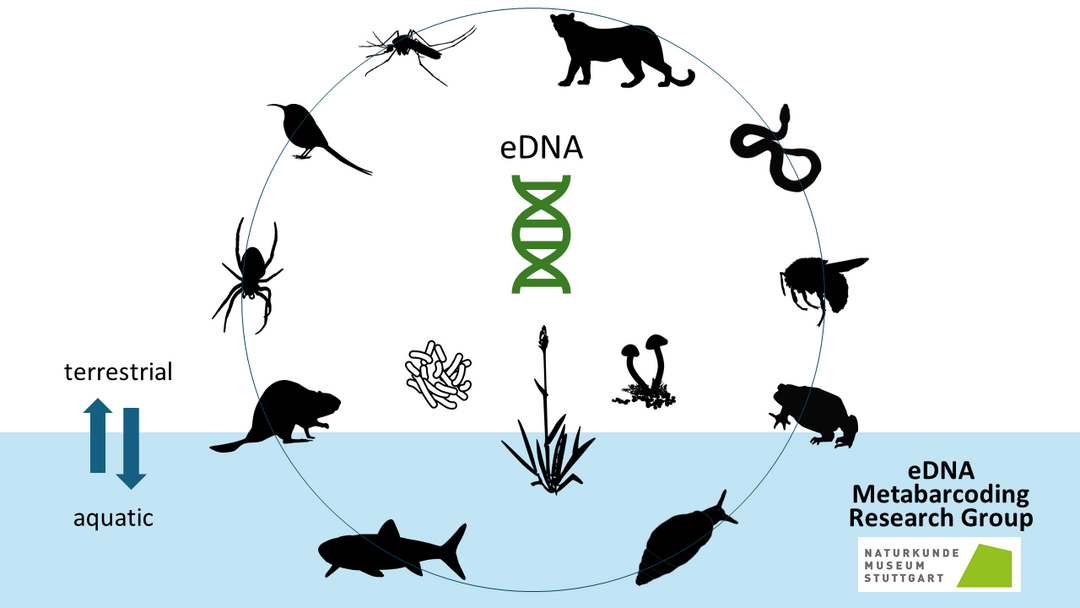
Environmental DNA (eDNA) metabarcoding is transforming how we explore and understand biodiversity. By analysing traces of DNA left behind by organisms in the environment (e.g., soil, scat, water, or air) we are able to detect a wide range of taxa quickly, efficiently, and non-invasively.
Combined with modern sequencing technologies (e.g., Illumina, Nanopore), eDNA metabarcoding allows us to monitor ecosystems more comprehensively than ever before, revealing hidden, rare, or hard-to-observe species. This approach plays a key role in current and future ecological research, supporting biodiversity conservation, environmental monitoring, and informed decision-making. As these methods continue to advance, eDNA metabarcoding is becoming an essential tool for understanding and protecting the natural world.
I apply an integrative research framework that combines eDNA and dietary DNA metabarcoding with comprehensive species-level data and associated metadata to address key questions in ecology and biodiversity science. This approach enables the analysis of community composition, community assembly processes, species–species interactions, and trophic niche networks across multiple spatial and temporal scales.
By linking molecular data with ecological and taxonomic information, my work provides robust insights into ecosystem structure and function, supporting both fundamental research and applied biodiversity monitoring.