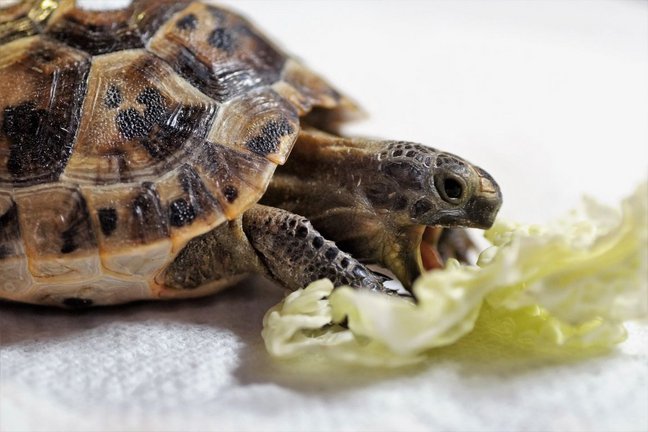
All vertebrates need to eat and efficiently digest food to survive. Besides effective chemical processes, the mechanical breakdown of food—mainly occurring in the mouth—is especially important. Evolutionary processes led to a huge variety in different methods of internal food processing in modern vertebrates: mammals chew using the teeth of both the upper and lower jaws; some amphibians use their tongues to compensate for weak lower jaws; and many fish have tooth-like structures in their throats. Other animal groups shift much of the food grinding from the mouth to a specialised stomach called the gizzard, which often uses swallowed stones to crush food.
An international team led by evolutionary biologist Dr. Daniel Schwarz from the State Museum of Natural History Stuttgart has now compiled a comprehensive study summarising the current state of research on food processing in vertebrates. This work synthesises findings from anatomical studies and movement analyses of fish, amphibians, reptiles, birds, and mammals, highlighting and addressing existing data gaps—for example, in the different chewing behaviours among various turtle groups.
This compilation reveals new insights into recurring evolutionary patterns within vertebrates. Complex chewing motions, typically associated only with mammals, have evolved independently multiple times in very distantly related groups. The specialised form of chewing in mammals (mastication) can still be regarded as a distinct way of processing food, given the evolutionarily recent jaw joint.
A key focus of the researchers was to develop a unified terminology and conceptual framework, allowing such behaviours to be described more precisely and comparatively in the future, and thus better placed within a broader evolutionary context.